Microclimate Mapping and Sunlight Analysis: Windbreaks, Heat Sinks, and Slope Optimization
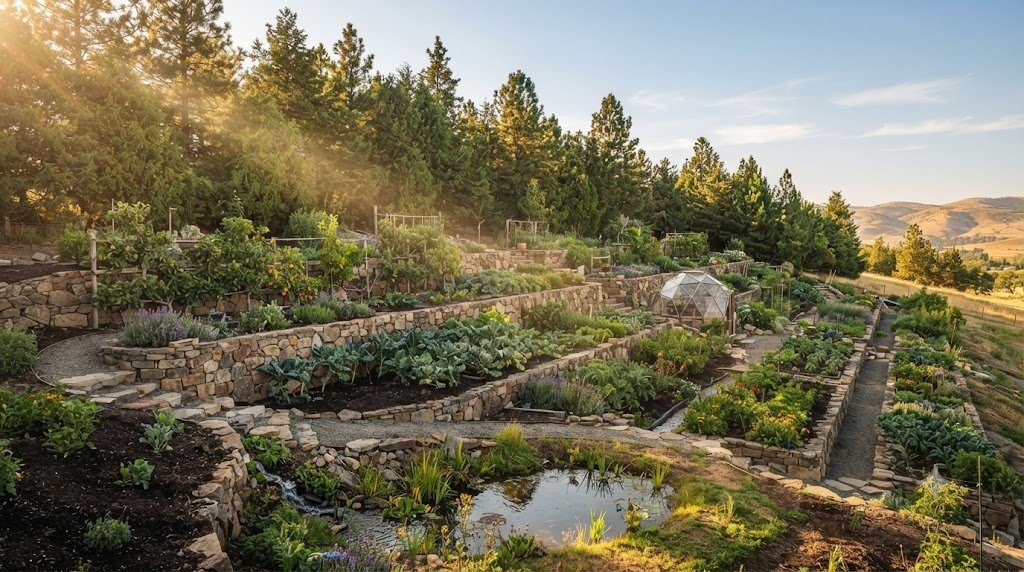
When gardeners look up their location on the official USDA Plant Hardiness Zone Map, they receive a broad, macro-climatic average based strictly on the average annual extreme minimum winter temperature across hundreds of square miles. However, plant physiology does not operate on regional averages. Within the physical boundaries of an ordinary residential property, diverse topography, … Read more
Four-Season Succession Planting and Crop Rotation: Mathematical Scheduling and Frost Dates

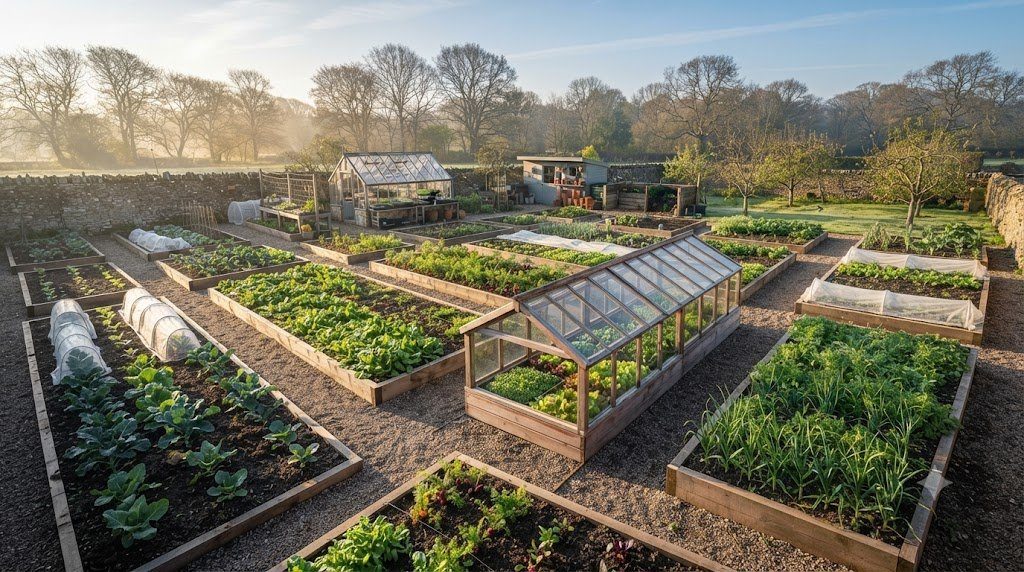
The hallmark of an amateur vegetable garden is the mid-summer feast followed by an autumn famine. Novice gardeners fill all available bed space during a single frenzy of spring planting, harvest a massive glut of produce in July and August that overwhelms the kitchen, and then abandon beds to autumn weeds. Conversely, high-performance agronomy treats … Read more

Companion Planting Agronomy and Spatial Polyculture: Allelopathy, Pests, and Nutrient Sharing

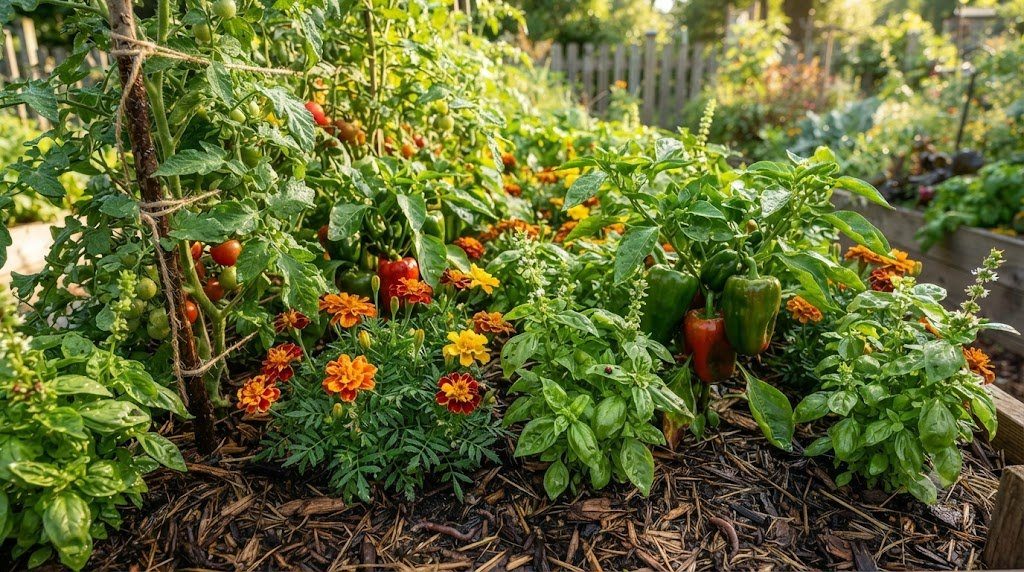
For decades, popular gardening folklore has circulated anecdotal companion planting claims—suggesting that planting marigolds next to tomatoes magically repels all pests or that certain plants ‘love’ each other based purely on mystical affinities. However, modern agroecology and plant chemical ecology examine companion planting through the rigorous lens of spatial polyculture, biochemical allelopathy, semiochemical masking, and … Read more

Comprehensive Raised Bed Construction and Ergonomics: Timber Selection, Liners, and Layouts

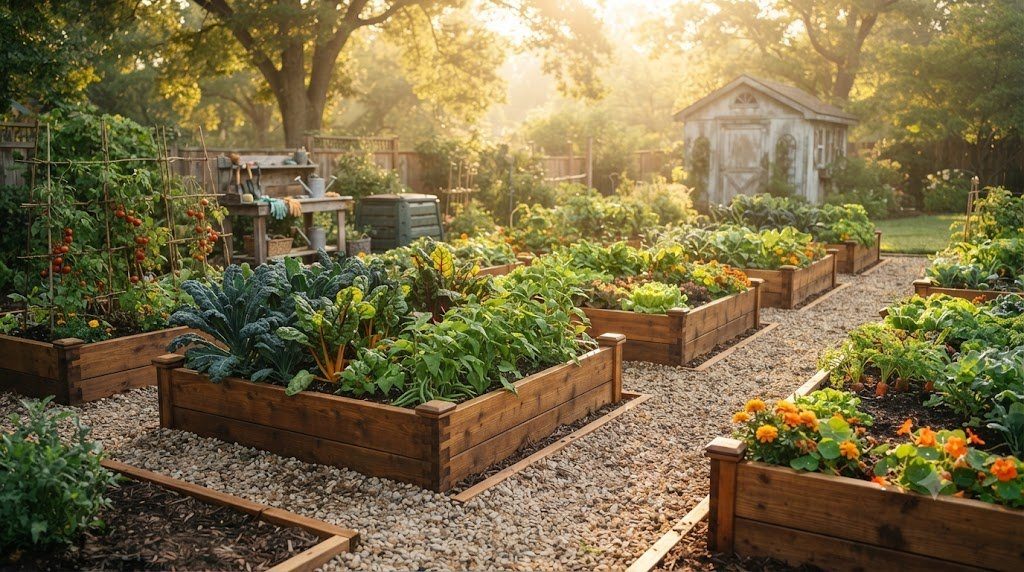
Raised bed gardening represents the gold standard of modern residential agronomy. By elevating the root rhizosphere above native ground level, gardeners gain absolute control over soil texture, fertility stoichiometry, drainage dynamics, and root zone aeration. Furthermore, raised beds eliminate human foot-traffic compaction across growing beds, warm up three to four weeks earlier in spring, and … Read more