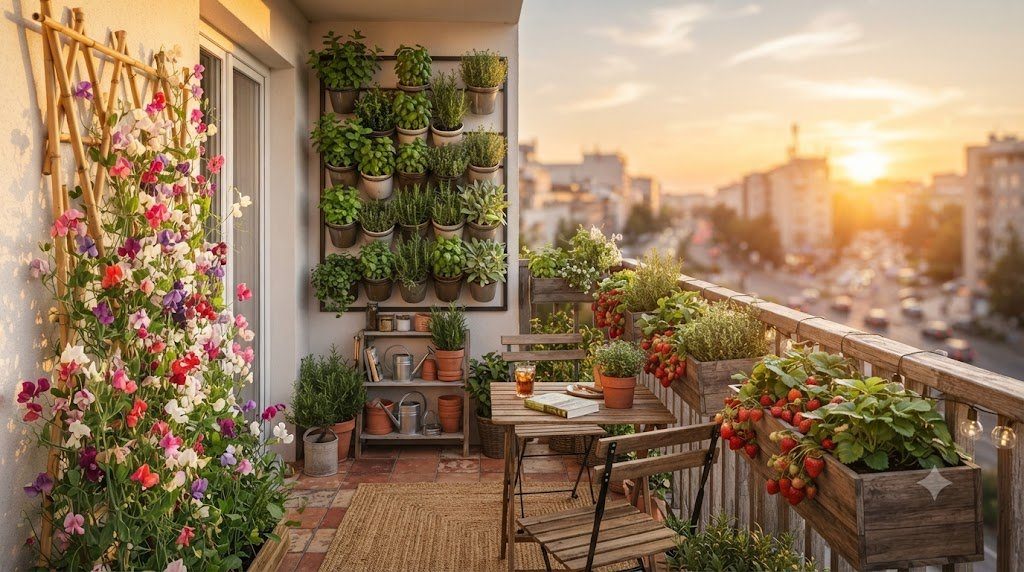
Microclimate Mapping and Sunlight Analysis: Windbreaks, Heat Sinks, and Slope Optimization
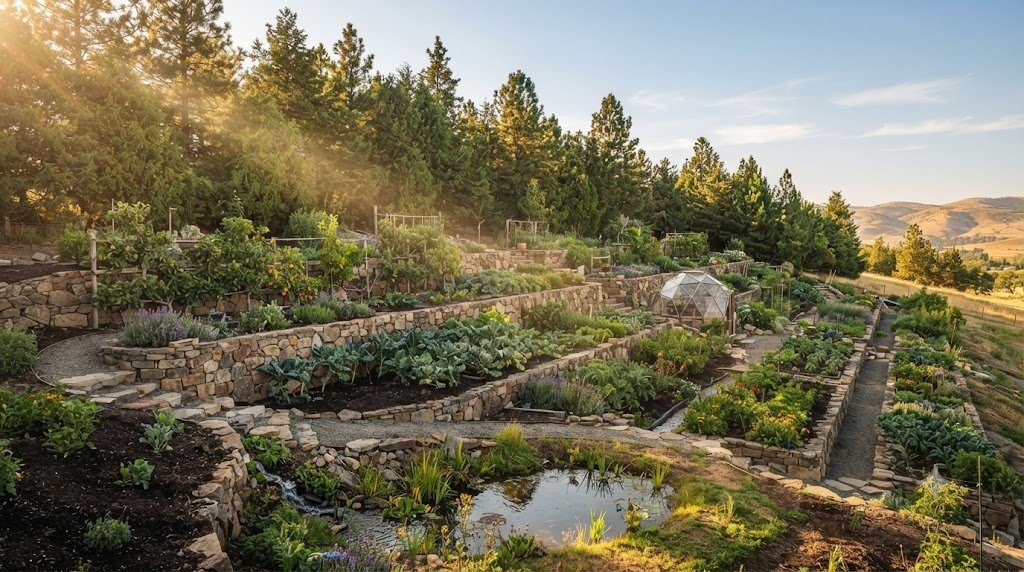
When gardeners look up their location on the official USDA Plant Hardiness Zone Map, they receive a broad, macro-climatic average based strictly on the average annual extreme minimum winter temperature across hundreds of square miles. However, plant physiology does not operate on regional averages. Within the physical boundaries of an ordinary residential property, diverse topography, … Read more

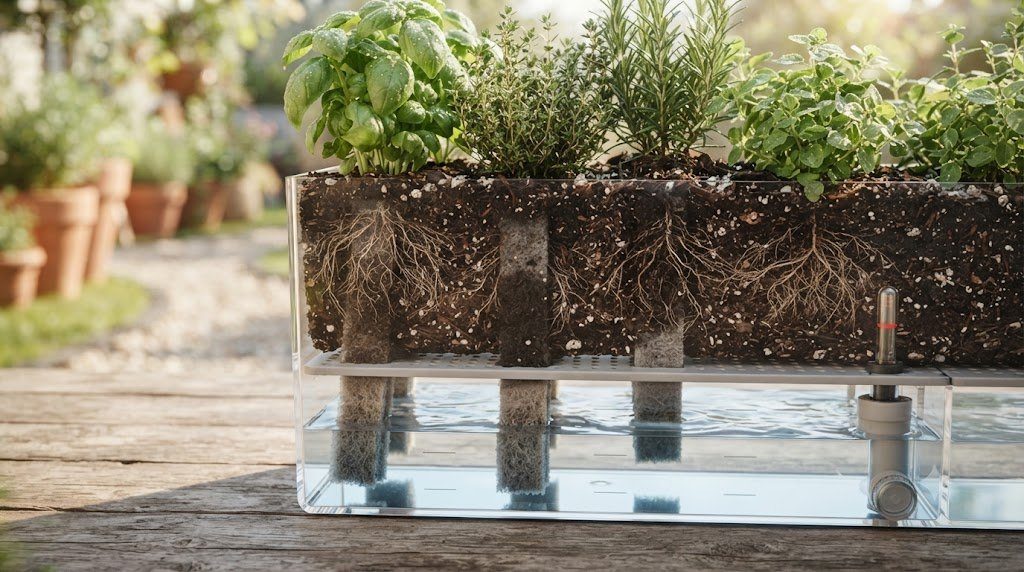
Four-Season Succession Planting and Crop Rotation: Mathematical Scheduling and Frost Dates

The hallmark of an amateur vegetable garden is the mid-summer feast followed by an autumn famine. Novice gardeners fill all available bed space during a single frenzy of spring planting, harvest a massive glut of produce in July and August that overwhelms the kitchen, and then abandon beds to autumn weeds. Conversely, high-performance agronomy treats … Read more

Companion Planting Agronomy and Spatial Polyculture: Allelopathy, Pests, and Nutrient Sharing

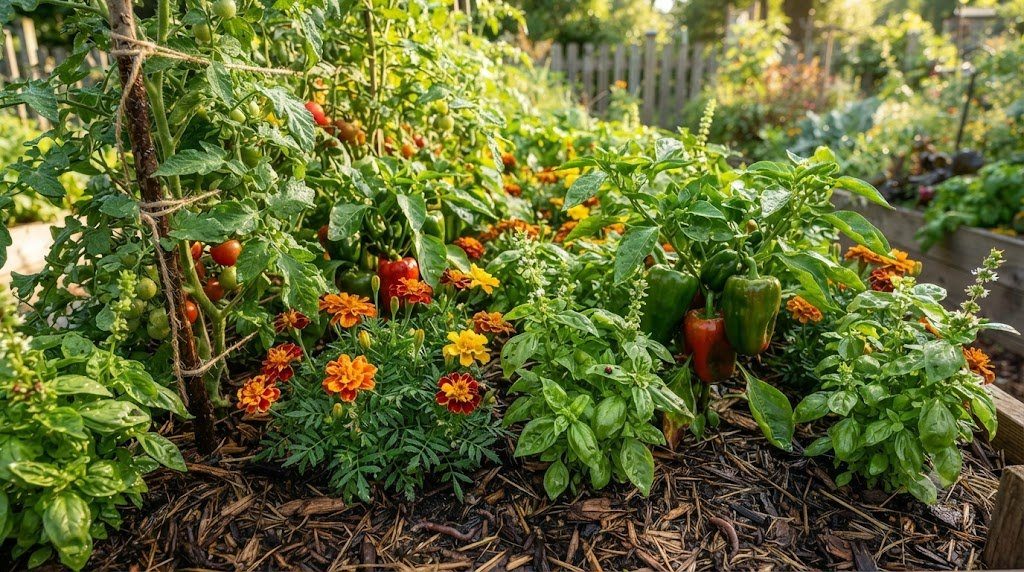
For decades, popular gardening folklore has circulated anecdotal companion planting claims—suggesting that planting marigolds next to tomatoes magically repels all pests or that certain plants ‘love’ each other based purely on mystical affinities. However, modern agroecology and plant chemical ecology examine companion planting through the rigorous lens of spatial polyculture, biochemical allelopathy, semiochemical masking, and … Read more

Comprehensive Raised Bed Construction and Ergonomics: Timber Selection, Liners, and Layouts

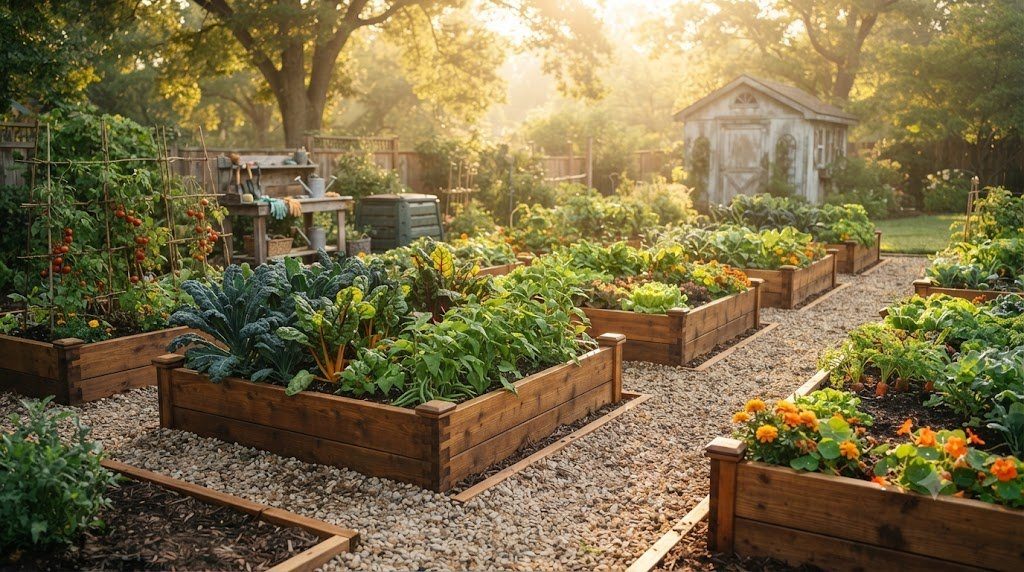
Raised bed gardening represents the gold standard of modern residential agronomy. By elevating the root rhizosphere above native ground level, gardeners gain absolute control over soil texture, fertility stoichiometry, drainage dynamics, and root zone aeration. Furthermore, raised beds eliminate human foot-traffic compaction across growing beds, warm up three to four weeks earlier in spring, and … Read more

Small-Space Balcony and Patio Container Design: Weight Loads, Microclimates, and Trellising

Transforming an urban apartment balcony, rooftop terrace, or small concrete patio into a flourishing, high-yield edible and floral sanctuary is one of modern horticulture’s greatest triumphs. However, small-space vertical gardening is governed by uncompromising architectural physics and intense environmental microclimates that open backyard gardens never experience. Before selecting single seeds or potting plants, an urban … Read more

Fruit and Citrus Trees in Containers: Root Pruning, Dwarfing Rootstocks, and Winter Care

Cultivating productive fruit trees and citrus in containers is the ultimate convergence of pomology, bonsai root engineering, and container substrate science. Growing orchard fruit—such as Meyer lemons (Citrus x meyeri), Calamondins, dwarf figs (Ficus carica), columnar apples (Malus domestica), and dwarf peaches (Prunus persica)—in pots liberates gardeners from native soil limitations and empowers northern growers … Read more

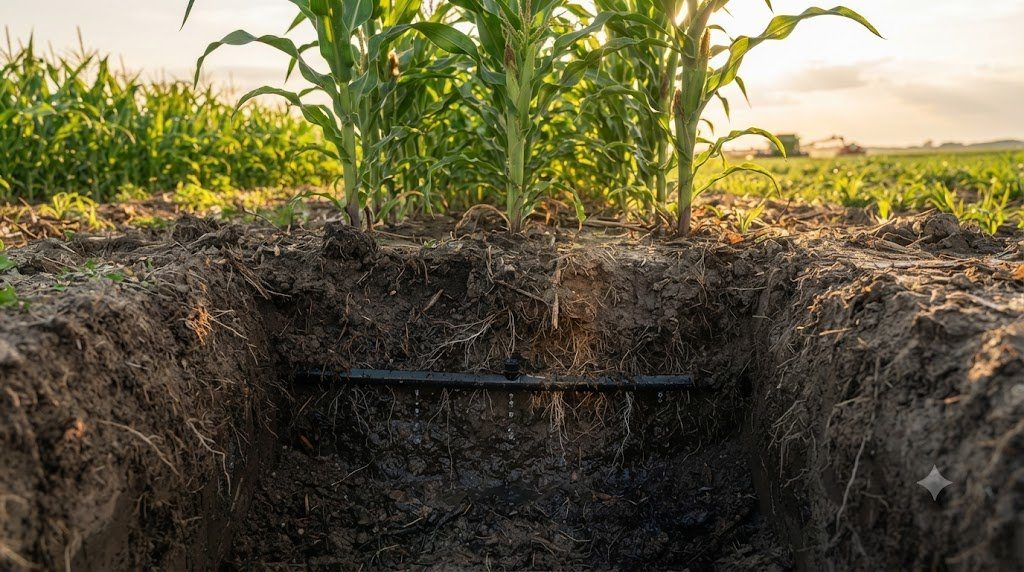
Sub-Irrigated Planters and Self-Watering Systems: Reservoir Dynamics and Capillary Action

In the realm of container horticulture, erratic watering—the vicious cycle of soaking container soil to total anaerobic saturation followed by allowing it to bake into bone-dry, hydrophobic compaction—is the leading cause of poor plant vigor, blossom-end rot in tomatoes, stunted fruiting, and root death. Sub-Irrigated Planters (SIPs), commercially marketed as ‘self-watering containers’, solve this challenge … Read more

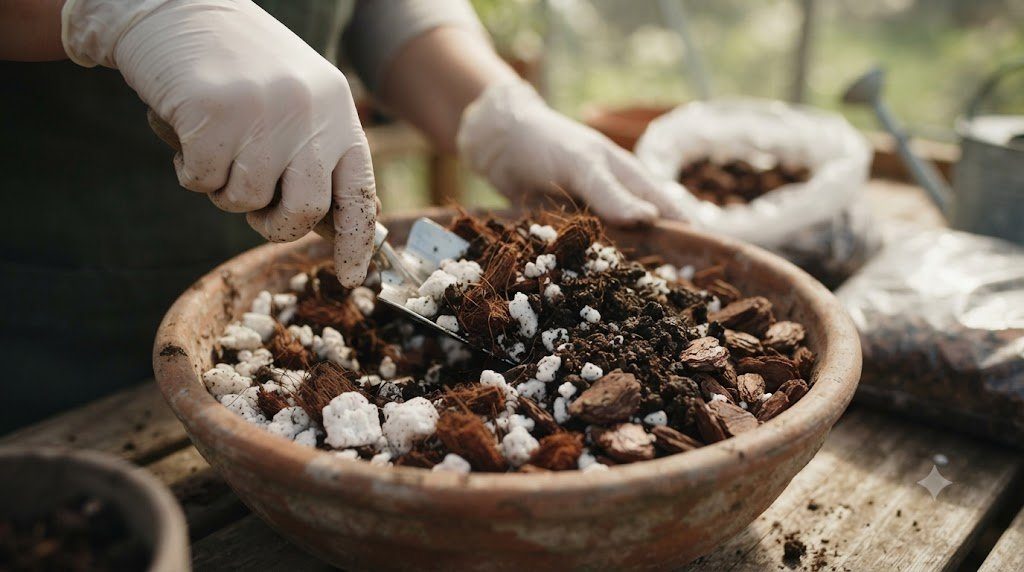
Potting Media Engineering for Containers: Porosity, Drainage, Perlite, and Water Retention

Container gardening is fundamentally an exercise in artificial rhizosphere engineering. In an open agricultural field, plant roots enjoy an essentially infinite vertical soil column where gravitational drainage, capillary tension, and biological earthworm activity maintain natural equilibrium. However, when soil is confined within the rigid, impermeable boundaries of a container, standard physics breaks down. Attempting to … Read more

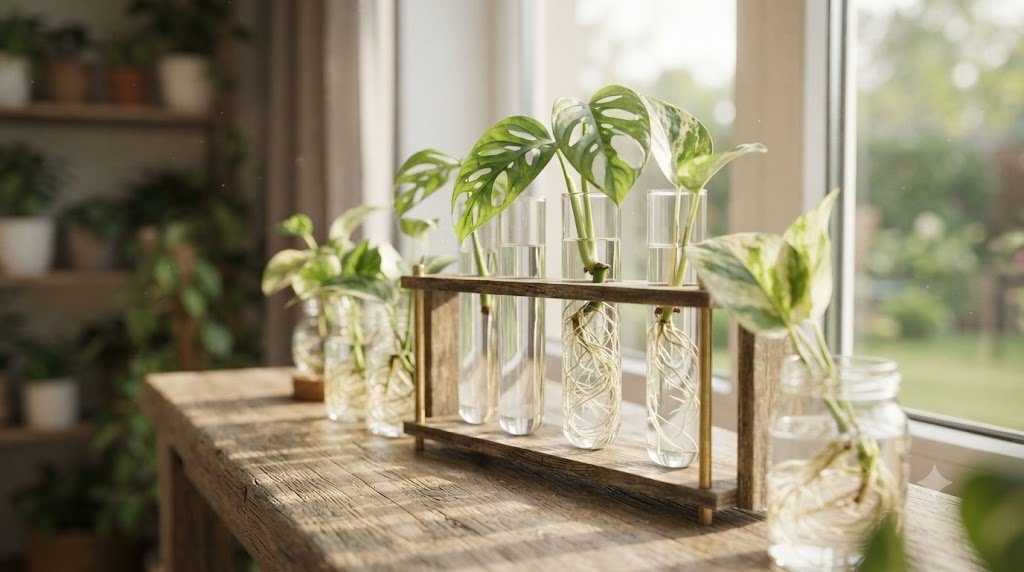
Houseplant Propagation Mechanics: Node Cuttings, Water Rooting, Air-Layering, and Hormones

Plant propagation is the magical yet deeply scientific discipline of taking living somatic tissue from a mature parent plant and stimulating it to regenerate entirely new root, shoot, and vascular systems. In indoor tropical horticulture, vegetative (asexual) propagation preserves the exact genetic identity and variegation patterns of prized cultivars that cannot be replicated through seed. … Read more

Pest Eradication in Indoor Environments: Thrips, Spider Mites, Scale, and Fungus Gnats

The enclosed environment of a residential home represents an artificial microclimate characterized by static air, stable warm temperatures, absence of driving rainfall, and total isolation from native predatory insects. While these conditions facilitate year-round tropical plant growth, they simultaneously establish an ecological paradise for opportunistic phytophagous insect pests. Without natural predators to check their reproduction, … Read more

About GardenBase

About GardenBase

GardenBase is your trusted source for practical advice, helpful guides and the latest news in home gardening, organic horticulture, and plant cultivation. We aim to support gardeners, plant enthusiasts, and urban growers with reliable, easy-to-understand information for a lush, vibrant landscapes and bountiful harvests.

Learn More →
Expert Advice From experienced farmers
Practical Guides For better results
Trusted Information Always updated