Indoor Lighting Science for Foliage Plants: Foot-Candles, PAR Spectrum, and Photoperiods
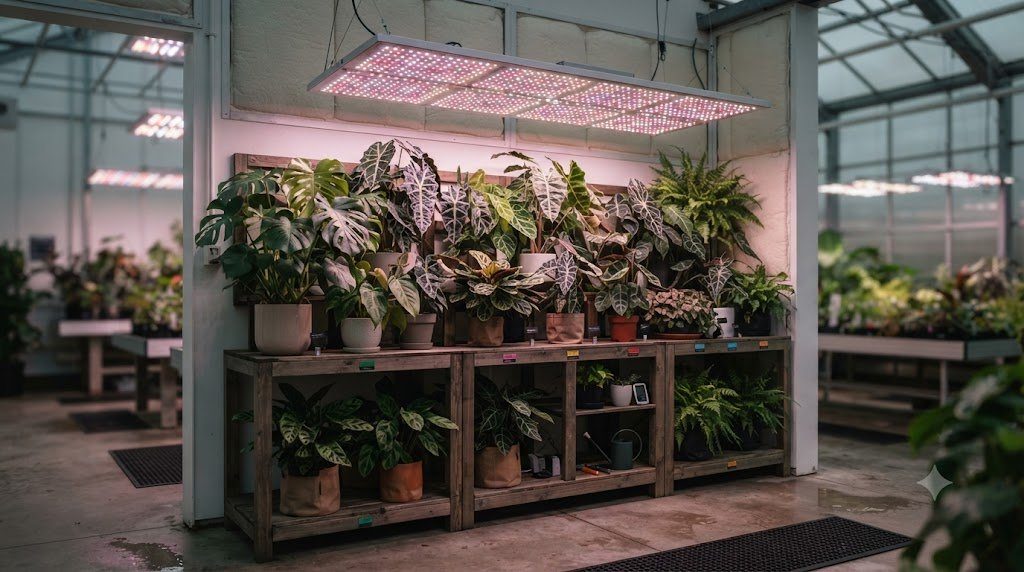
Light is the fundamental metabolic currency of plant life. Every carbohydrate molecule driving leaf cell expansion, root elongation, vascular transport, and chemical defense is synthesized exclusively through photosynthesis driven by intercepted photons. In residential indoor plant cultivation, insufficient lighting is overwhelmingly the primary underlying cause of plant mortality, leaf drop, weak leggy internodes, and root … Read more
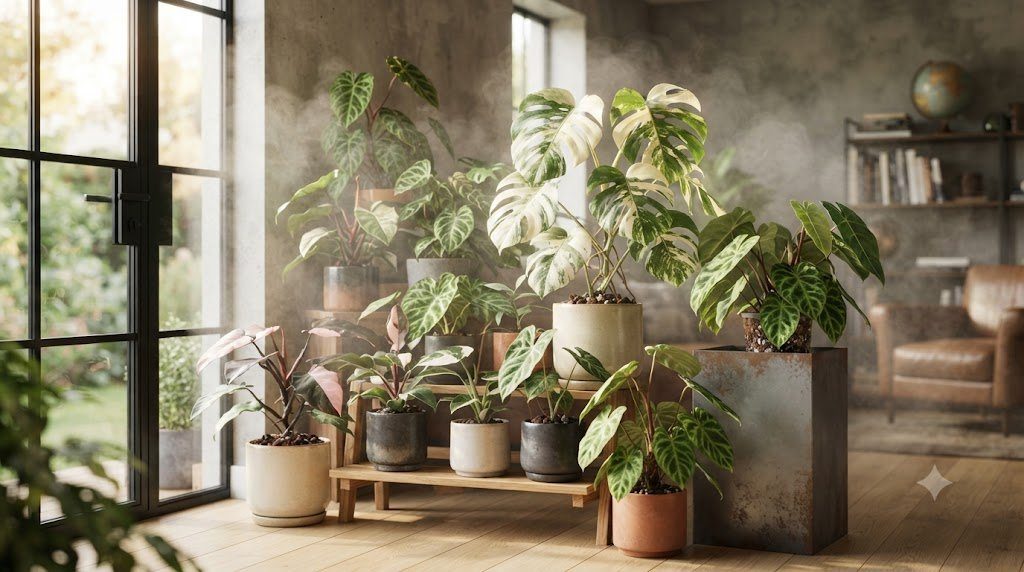
Aroid and Tropical Houseplant Care: Substrate Formulations, Aeration, and Humidity Dynamics

The family Araceae—commonly termed aroids, encompassing prized indoor genera such as Monstera, Philodendron, Anthurium, Alocasia, Epipremnum, and Rhaphidophora—has fundamentally reshaped modern interior horticulture. Indigenous to the dense, multi-layered tropical rainforests of Central and South America and Southeast Asia, these plants evolved primarily as hemiepiphytic climbers, lithophytes, or understory herbaceous perennials. Translating their natural ecological niche … Read more

Bulb Naturalization and Seasonal Stratification: Tulips, Daffodils, and Alliums Propagation

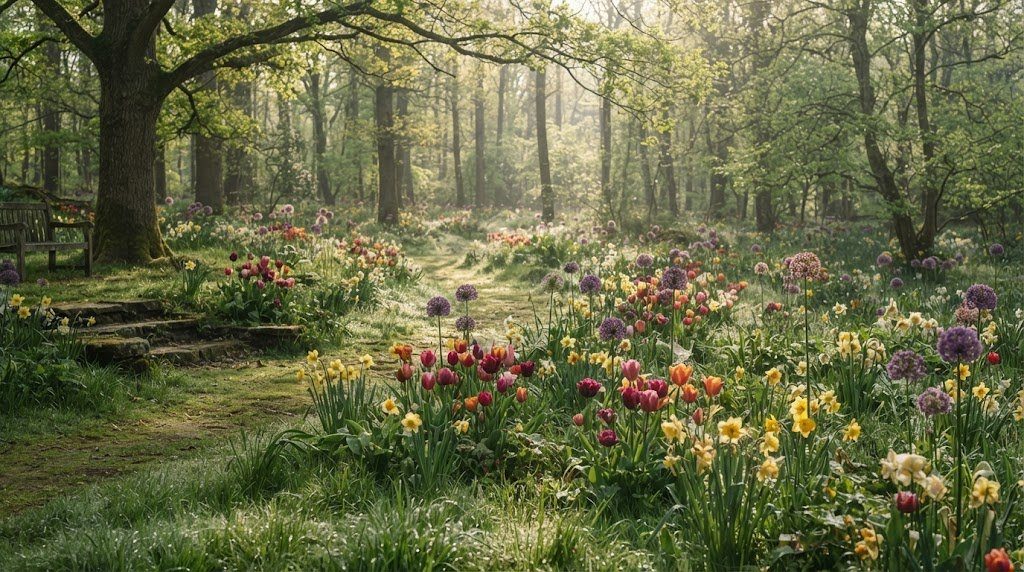
Geophytes—geologically ancient plants possessing specialized underground storage organs such as true bulbs, corms, tubers, and rhizomes—hold a unique and revered position in temperate horticulture. Among these, hardy spring-flowering bulbs, principally Daffodils (Narcissus), Tulips (Tulipa), and Ornamental Alliums (Allium), deliver breathtaking botanical color long before herbaceous perennials emerge from winter dormancy. However, transforming a formal geometric … Read more

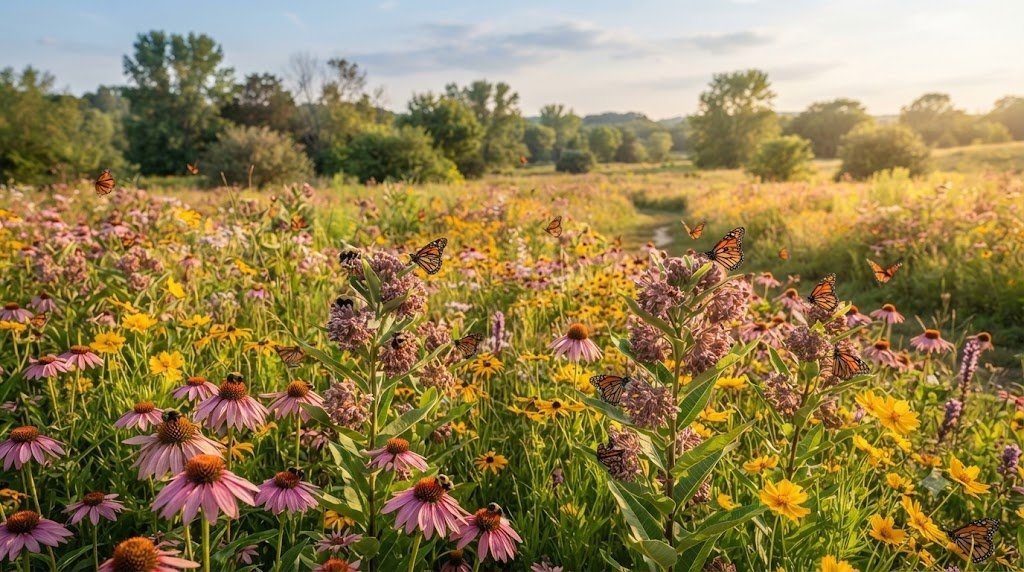
Pollinator-Friendly Native Wildflower Gardens: Ecological Stratification and Habitat Design

In an era of accelerating global habitat fragmentation, suburban biodiversity loss, and pesticide pressures, establishing a pollinator-friendly native wildflower garden is among the most ecologically impactful projects a horticulturist can undertake. Unlike sterile ornamental turf lawns or exotic bedding annuals bred for sterile double blossoms that produce zero pollen or nectar, a thoughtfully designed native … Read more

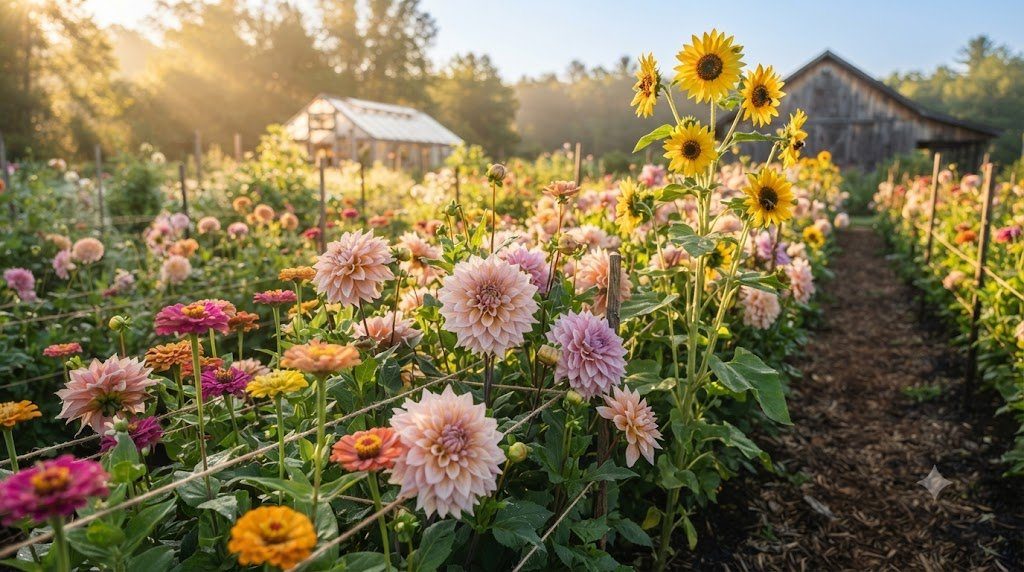
Ornamental Cut Flower Production: Dahlias, Zinnias, and Sunflowers Stem Development

Commercial-grade ornamental cut flower production requires a radically different agronomic mindset than casual garden bed display. While landscape flowers are cultivated for compact bushy growth and prolonged on-the-plant color, cut flowers are engineered for exceptional stem length, caliper thickness, vase life longevity, petal rigidity, and symmetrical blossom geometry. Mastering high-yield production of the ‘Big Three’ … Read more

Perennial Border Architecture: Succession Blooming, Layering, and Soil Chemistry

The English herbaceous perennial border represents one of the most sophisticated achievements in ornamental landscape architecture. Unlike seasonal annual beds that provide uniform, static color throughout the summer before perishing in autumn, a dynamic perennial border is a living, evolving four-dimensional tapestry. Designing an exceptional perennial border requires an integrated mastery of botanical succession blooming … Read more

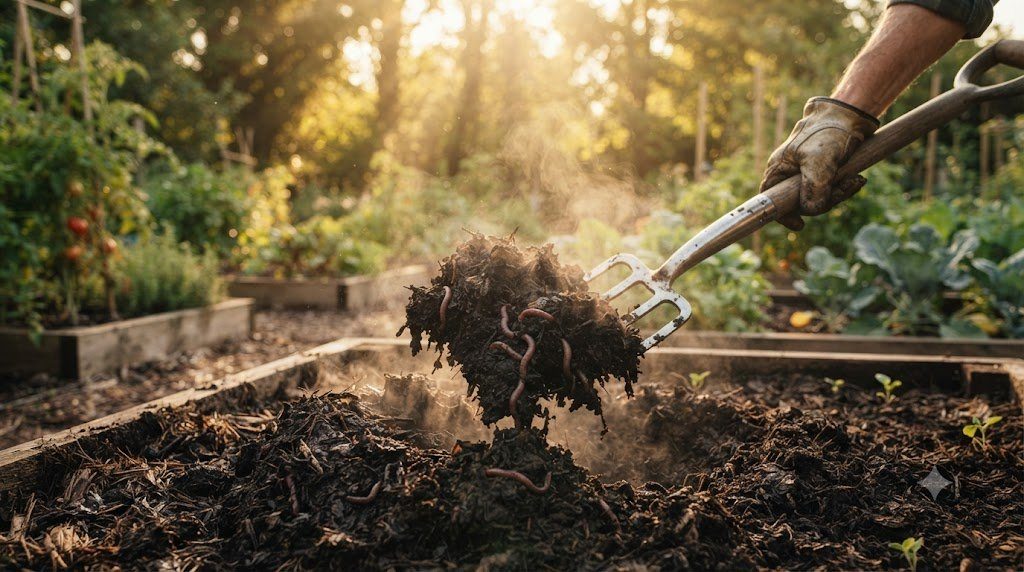
Organic Soil Amendment and Composting Science for High-Yield Home Vegetable Beds

In sustainable agronomy and high-yield vegetable horticulture, the fundamental operational principle is simple yet transformative: feed the soil, not the plant. Synthetic water-soluble fertilizers flood the soil solution with free mineral ions that provide rapid yet transient vegetative flushes, while progressively degrading soil aggregate structure, acidifying the root rhizosphere, and decimating native mycorrhizal fungi. Conversely, … Read more

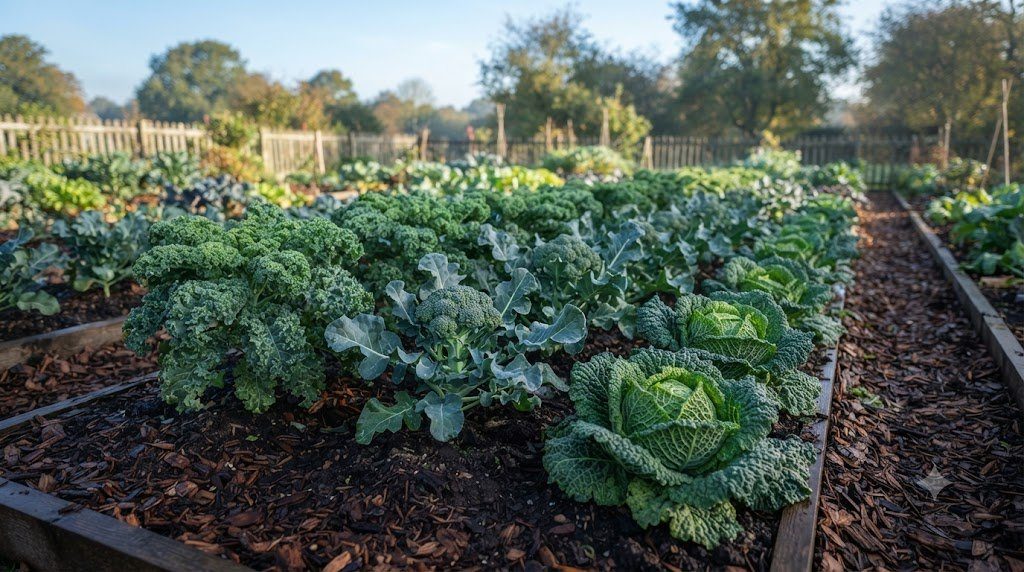
Brassica Crop Production: Cabbage, Broccoli, and Kale Pest Defenses and Cold Hardiness

The family Brassicaceae—encompassing cabbage (Brassica oleracea var. capitata), broccoli (B. oleracea var. italica), kale (B. oleracea var. acephala), and cauliflower (B. oleracea var. botrytis)—represents some of the most nutritionally dense and cold-resilient crops in the vegetable kingdom. However, brassicas are also celebrated among horticulturists for their specialized biochemical profiles, heavy nutrient demands, high moisture requirements, … Read more

Root Vegetable Agronomy: Carrots, Beets, and Parsnips Soil Friability and Thinning Protocols

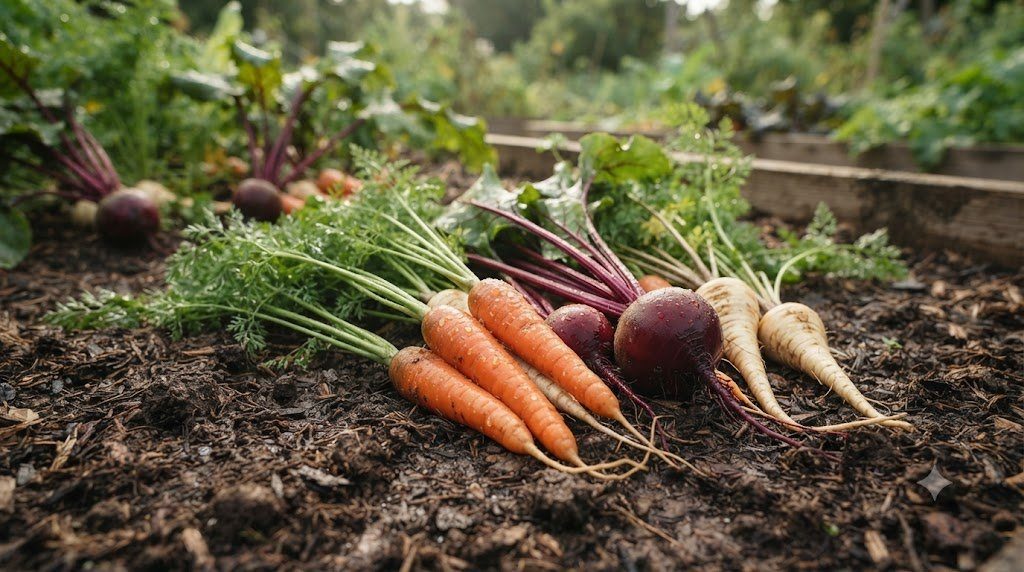
Root vegetables—principally carrots (Daucus carota), table beets (Beta vulgaris), and parsnips (Pastinaca sativa)—are foundational cool-season crops that transform subterranean soil biology into dense, mineral-rich culinary taproots. Unlike above-ground fruiting crops where structural flaws in soil architecture can often be partially offset by fertilization, root crops directly mirror the physical resistance, bulk density, mineral balance, and … Read more

Heirloom Tomato Cultivation and Disease Management: Pruning, Staking, and Soil Nutrition

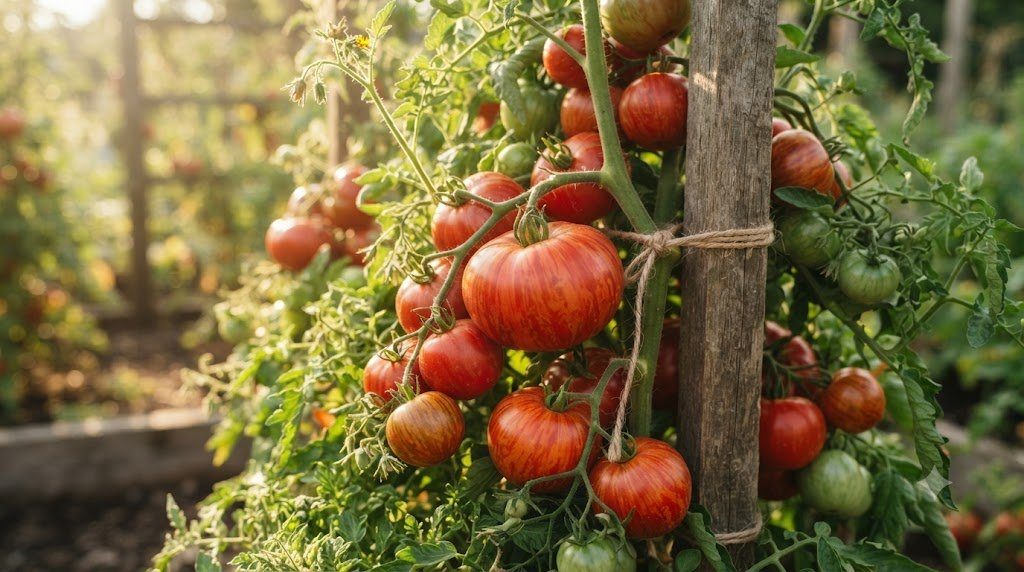
Heirloom tomatoes (Solanum lycopersicum) represent the pinnacle of home vegetable gardening, celebrated for extraordinary flavor complexities, diverse genetic heritage, and delicate textural nuances that commercial hybrid varieties bred for long-distance shipping simply cannot replicate. However, cultivating historic heirloom open-pollinated varieties demands exacting agronomic discipline. Unlike modern disease-resistant hybrids possessing bred-in genetic resistance to Verticillium wilt … Read more